
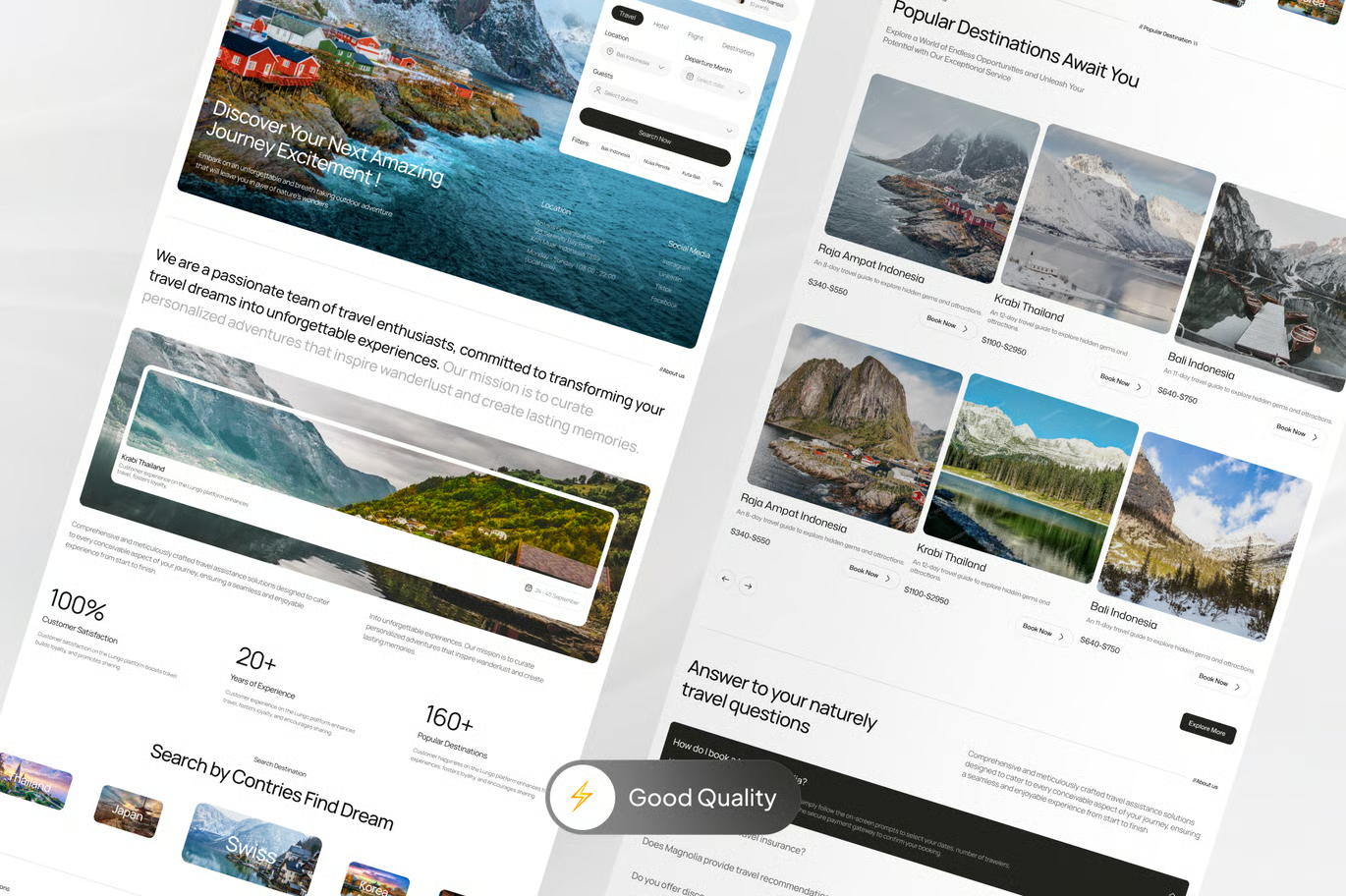
A potential customer lands on your website after searching for an interior designer, a specialist clinic, an engineering supplier, or a caterer. In seconds, they decide whether your business feels credible, relevant, and easy to contact. That is why using a custom WordPress website design is not simply about adding more content or animations; it’s about crafting the site’s narrative and building trust so that the buyer has a reason to take the next step.
A template site can get a business online. Where it fails is showing a business as the safer, better, or more experienced choice. For companies competing in Singapore’s crowded market, the difference often comes down to clarity: what you do, who you help, what proof you have, and how quickly a visitor can act.
A custom website should be built around commercial priorities, not a designer’s portfolio. For a B2B engineering firm, that may mean making certifications, project experience, and quotation requests impossible to miss. For a home services business, it may mean service-area pages, before-and-after work, WhatsApp contact options, and fast mobile booking paths. For an eCommerce-adjacent brand, it may mean guiding customers from product education to purchase without unnecessary friction.
The best design choices are often quiet. Clear page hierarchy, useful calls to action, readable service information, and pages that load quickly do more work than animation for animation’s sake. A site should make selling easier for your team while making decisions easier for your customers.
Then there’s the issue of speed to market. You may decide to use a custom WordPress website design, but what really matters is that your team can make changes and edit the site fast enough to improve the offer you have.
WordPress is a strong fit because it gives SMEs ownership and flexibility. Your team can update case studies, publish useful content, add landing pages for campaigns, or expand into new service categories without rebuilding the entire site. The platform is not the strategy, though. A poorly planned WordPress site remains a poorly planned website, just one that is easier to edit.
Features should earn their place. A custom build is not about packing in every option, but about including the ones that help the right buyer understand your offer, trust your business, and contact you. These are the features worth expecting.
Not every business needs every feature. A five-page service site does not need a member portal, and an engineering supplier may care more about quotation requests than online checkout. The right feature list comes from your customers and your sales process, which is why it should be agreed during scoping and not added late as an expensive extra.
Pricing depends on how many pages you need, how much custom design and functionality is involved, and how much content and strategy work is included. The ranges below show what different levels of scope typically look like.
| What You Get | Starter | Business | Advanced |
|---|---|---|---|
| Best for | Small businesses launching a credible online presence | SMEs that rely on the website to generate leads | Growing companies with complex offers or multiple audiences |
| Pages | 5 to 8 | 10 to 20 | 20+ |
| Design | Custom layout, mobile-responsive | Custom layout with dedicated service page templates | Fully custom templates for each audience and service |
| Lead generation | Contact form | Lead-qualifying forms and WhatsApp integration | Multiple conversion paths, CRM or booking integrations |
| SEO and tracking | Basic on-page SEO and analytics | SEO-ready structure and speed optimization | Advanced tracking and campaign landing pages |
| Timeline | 3 to 5 weeks | 6 to 10 weeks | 10 to 16 weeks |
| Estimated investment | S$1,500 to S$2,000 | S$3,400 to S$5,000 | S$7,000 and above |
Prices are estimates and vary by project. Do request a quote for decision making.

Before design begins, get specific about the customer journey. Many websites are built around internal departments or broad service labels because that is how the company thinks about itself. Buyers do not think that way. They arrive with a problem, a deadline, a budget concern, or a list of vendors to compare.
A business selling commercial renovation services may need separate paths for office managers, retail operators, and property owners. Each audience needs different reassurance. An office manager may care about disruption and timeline control. A property owner may care about compliance, workmanship, and long-term value. One generic “Services” page cannot carry all of that weight.
This is where custom work earns its keep. The page structure, messages, proof points, and conversion paths can be shaped around how real customers search and decide. That includes the questions they ask before calling: What does this cost? Have you handled a project like mine? How long will it take? Who will be accountable if something goes wrong?
A credible site does not hide from these questions. It answers enough of them to make the next conversation feel lower-risk.
Your homepage does not need to tell the full story. It needs to establish relevance quickly, direct visitors toward the right service or product, and prove that your company can deliver.
A strong homepage usually leads with a clear value proposition rather than a vague statement about quality. “Trusted solutions for every need” says almost nothing. “Commercial air-conditioning maintenance for Singapore facilities teams” gives a visitor immediate context. From there, relevant proof (customer outcomes, credentials, project examples, reviews, or recognizable client types) supports the claim.
The right call to action depends on the buying cycle. “Request a quote” works for urgent, straightforward services. “Book a consultation” may be better for higher-value work that requires diagnosis. B2B firms with long sales cycles may benefit from “Speak with a project specialist” or a downloadable capability profile. There is no universal button that converts every market.
Service pages are where many SME websites lose qualified leads. They often repeat a short paragraph, list a few benefits, and end with a contact form. That gives search engines little context and buyers little confidence.
A useful page explains the scope of the service, the problems it solves, who it is for, how the engagement works, what makes the process reliable, and what results or deliverables a customer can expect. It should include real examples wherever possible. If a claim cannot be supported with evidence, it may sound like every other agency or supplier in the market.
Depth does not mean writing 2,000 words on every page. It means removing uncertainty. A prospective client should not have to guess whether you serve their location, handle their project size, or have relevant experience.
More leads are not always better. A campaign that produces 100 inquiries from people who cannot afford your service creates work without revenue. Website design has a role in qualifying demand before your sales team gets involved.
Pricing guidance, minimum project values, service areas, project timelines, and clear scope descriptions can filter out poor-fit inquiries. Some businesses worry this will reduce conversions. It may reduce low-intent submissions, which is often a win. The objective is to create more conversations with buyers who are likely to move forward.
Forms matter here too. Keep the initial request simple, but ask for information your team genuinely uses. For a renovation company, project type, property size, and target start date may be helpful. For a B2B supplier, product category, estimated volume, and company name may matter more. Every field should have a reason to exist.
Phone, email, and messaging options should be visible, especially for mobile visitors. Still, do not make every page compete with five different actions. Give visitors one primary next step and a sensible alternative for those not ready to commit.

A polished layout is only one layer of a successful WordPress build. The site also needs sensible technical foundations: fast page delivery, mobile-friendly layouts, clean code, protected forms, reliable backups, and software updates that do not break key functions.
This is not glamorous work, but it affects both customer experience and marketing performance. A slow mobile page wastes paid ad clicks. A broken contact form loses inquiries silently. An outdated plugin can become a security problem at exactly the wrong time.
Custom does not mean building every component from scratch. That approach can inflate cost and create maintenance headaches. Good development uses proven tools where they make sense, then customizes the parts that affect brand differentiation, user experience, and conversion. The goal is a site your business can operate confidently, not a complicated system only one developer understands.
For companies investing in SEO, the build should also support growth from day one. That means logical page structure, editable metadata, clean URL planning, image optimization, analytics tracking, and room to create targeted pages later. SEO cannot rescue a confusing offer, but technical gaps can hold back an otherwise strong content and search strategy.
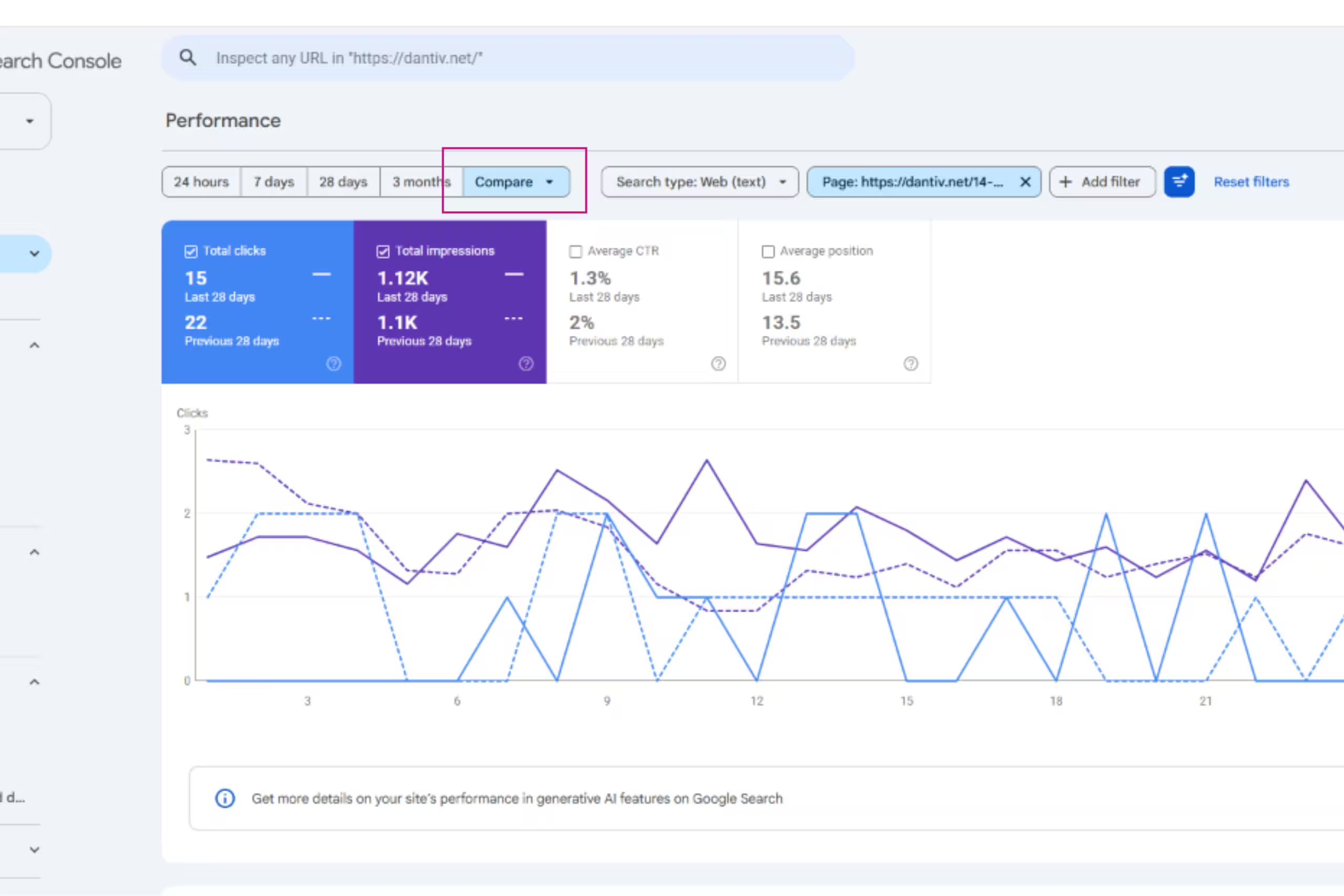
Launching a new website is a milestone, not the finish line. Once visitors start using it, behavior tells you what needs attention. Which service pages drive inquiries? Where do users leave? Are mobile visitors converting as well as desktop visitors? Are paid campaign landing pages producing leads that sales teams can close?
The answers should shape the next round of work. Sometimes the fix is as simple as moving a call to action higher on the page or clarifying a service headline. Other times, the business needs a new landing page, stronger project proof, a faster form process, or a more focused offer for a specific customer segment.
This test-and-improve approach is particularly valuable for SMEs because budgets need to work hard. Rather than treating a website as a one-off design expense, treat it as part of your customer acquisition system. It should work with SEO, Google Ads, Meta campaigns, social content, and sales follow-up, not sit separately from them.
The right web partner should ask commercially useful questions before showing mockups. They should want to understand your sales process, best customers, average project value, competitive pressure, current traffic sources, and capacity to handle more leads. If the conversation stays entirely on colors and visual references, the project may look good without pulling its weight.
Ask who will manage the work, what is included after launch, how changes are handled, and how success will be measured. A lower build price may be reasonable for a simple site, but it becomes costly if it leaves you with thin content, weak conversion paths, no maintenance plan, and no one accountable when performance stalls.
Dantiv approaches custom WordPress builds as part of the bigger growth picture: credible positioning, campaign-ready landing pages, dependable maintenance, and ongoing opportunities to improve conversion. That matters when you want one team to understand the site and the channels sending traffic to it.
Your next website does not need to be the biggest or flashiest in your industry. It needs to make the right customer feel confident enough to contact you, buy from you, or put you on the shortlist.